Good Bones Only: How I Turn Thrift Shop Necklace Casualties Into Pieces I Actually Wear
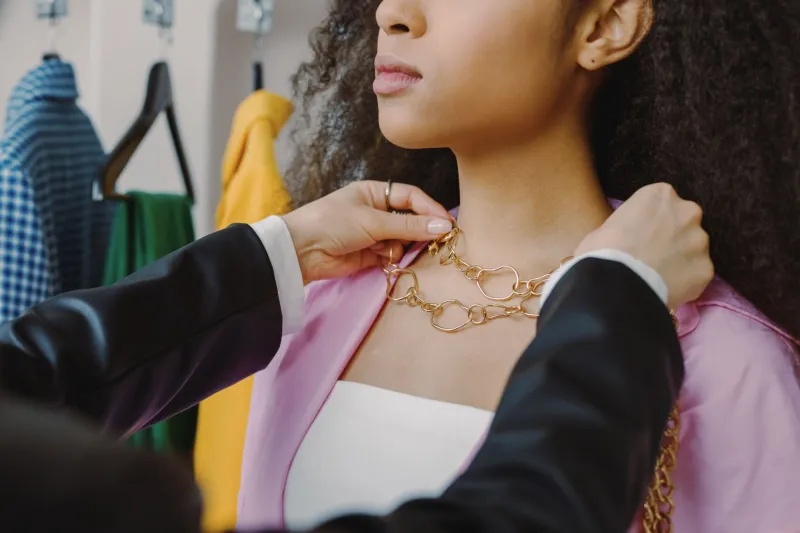
You know that bin at the back of every Goodwill, the one with the tangled, sad, possibly haunted necklaces? I love that bin. While everyone else is digging through the sweater rack, I'm elbow-deep in costume jewelry looking for one thing: good bones.
Because here's the secret nobody tells you about upcycling jewelry — you're not really buying the necklace. You're buying the clasp, the focal bead, the chunky vintage chain that would cost you twelve bucks to source new. The rest is just a rebuild.
I did three makeovers this month, all from a single thrift run, and I'm walking you through each one — photos, costs, and all.
What Counts as 'Good Bones'? My 5-Second Thrift Shop Checklist
Before you toss anything in your cart, hold the piece up and ask:
- Is the clasp metal, not plastic? A solid lobster clasp or toggle is worth the $3 all by itself.
- Is there at least one bead or focal element worth saving? Vintage lucite, glass, or stone beads are everywhere in old necklaces and they're gorgeous.
- Does the chain feel weighty? Flimsy chain snaps. Heavier chain (even if it's dated) can be cut apart and reused.
- Is it just ugly — not broken-broken? Missing stringing wire is fine. Melted plastic is not.
- Can you picture ONE element on YOUR neck? If nothing excites you, walk away. There's always another bin.
Skip anything with green corrosion on the metal (that's a skin-irritant situation waiting to happen) and anything that smells weird. Yes, that's a real rule. Vintage jewelry smells weird sometimes.
Makeover #1: The Granny Pearls That Went Asymmetric
Before: A 22-inch strand of fake pearls, knotted, with a dated gold barrel clasp. Price: $4.
After: I snipped the strand, kept about a third of the pearls, and re-strung them on Beadalon wire with irregular gold spacer beads from my stash, finishing with the original clasp. The trick was clustering the pearls in uneven groups of three to five with gaps in between — instant modern, instant asymmetry.
Cost breakdown:
- Necklace: $4
- Beading wire (per-project share): ~$1
- Stash spacers: free (already mine)
- Total: about $5
Twenty minutes of work. I've worn it four times since. That's a better cost-per-wear than anything I've bought retail this year.
Makeover #2: The Broken Chain That Became Layered
Before: A long, tarnished gold chain necklace with a heavy pendant, snapped in two places. Price: $3.
After: Honestly? The chain was the whole purchase. I cut it into three graduated lengths, added jump rings and a fresh lobster clasp, and turned it into a layered necklace set. The pendant went onto a short cord choker with two stash beads as accents.
Cost breakdown:
- Necklace: $3
- Jump rings and clasp: ~$1.50
- Cord and stash beads: ~$1
- Total: under $6 for TWO wearable pieces
The whole rebuild was basically opening and closing jump rings. If you don't have two pairs of chain-nose pliers yet, get them — they're $8 and they'll change your making life.
Makeover #3: The Beaded Statement That Got a Bead Intervention
Before: A chunky acrylic statement necklace in a color I can only describe as '2009 mall kiosk.' Price: $5.
After: I harvested the metal frame and a handful of the better beads, then re-wrapped the frame with wire and a mix of stash beads in cream, brass, and smoky gray. Same structure, completely different vibe. This was the most involved of the three — about an hour — but it's now the piece strangers ask about.
Cost breakdown:
- Necklace: $5
- Wire: ~$1
- Stash beads: free
- Total: $6
Tools You Actually Need for a Rebuild
Don't overthink it. Your starter kit is:
- Two pairs of pliers (chain-nose and round-nose)
- Flush cutters
- Beading wire and crimp beads
- A pack of assorted jump rings
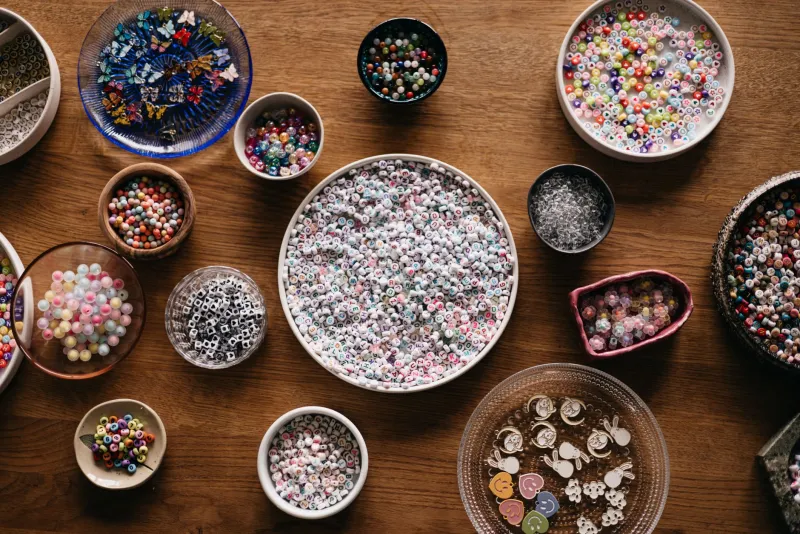
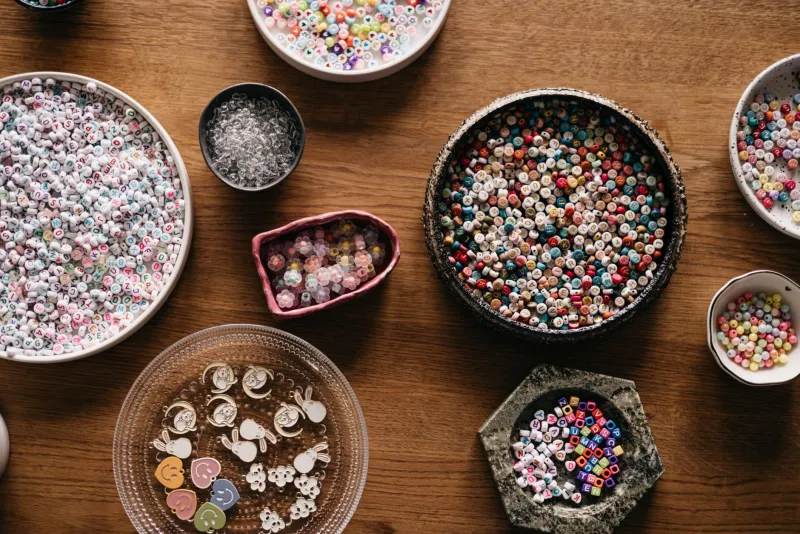
- A bead mat so nothing rolls off your kitchen table (ask me how I know)
That's it. Under $30 if you're starting from zero, and it covers 90% of salvage projects.
Go Ransack Your Own Jewelry Box First
Before you even hit the thrift store, dump out your own drawer. That broken necklace your aunt gave you in 2015? The single earring you kept for sentimental reasons? Same rules apply — good bones, one salvageable element, rebuild from there.
The best part of this whole hobby is that moment when someone compliments a necklace and you get to say, 'Thanks, it was five dollars and it used to be a disaster.' String, sparkle, repeat, friends.