My Earrings Aren't For Sale: Making Peace With a Hobby That Stays a Hobby
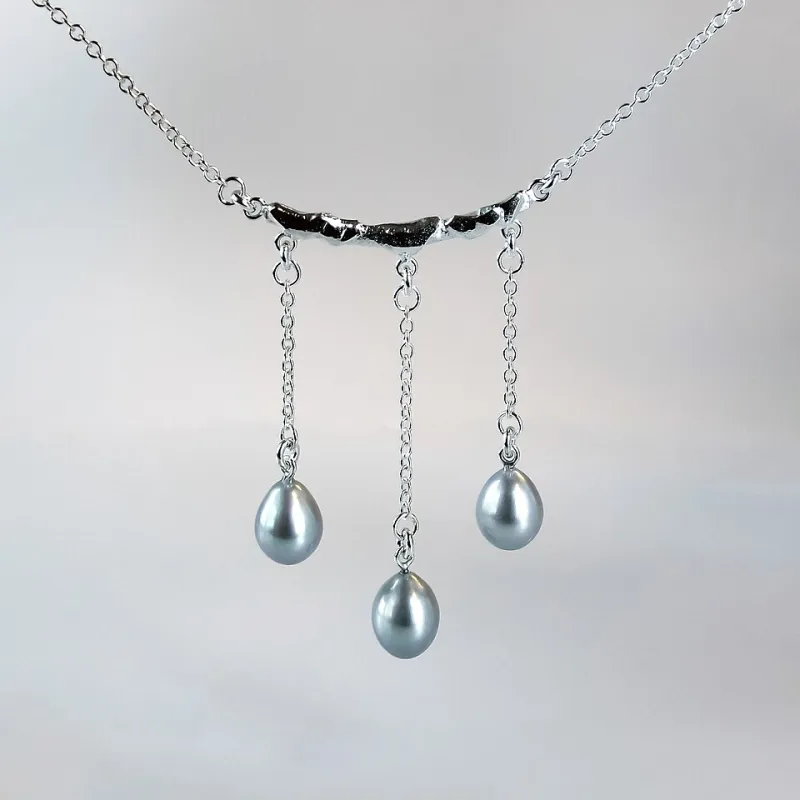
Photo: W.carter, CC BY-SA 4.0, via Wikimedia Commons
Last spring I sat at my kitchen table with a pair of freshwater pearl drops I'd strung for my sister's birthday, and instead of feeling excited to wrap them up, I opened a spreadsheet.
I'm not kidding. A spreadsheet. I was calculating the cost of the pearls, the head pins, the ear wires, my time at some imaginary hourly rate. All for a gift. For my sister. Who would have happily paid for them anyway.
That was the night I realized I'd stopped making jewelry and started running a business I never asked for.
The Hustle Crept In Through the Back Door
Nobody hands you a pitch deck when you pick up beading. It starts smaller than that. You post a photo of a finished bracelet and someone comments "you could SELL these!" You look at your overflowing bead organizer and think, well, maybe I should recoup some of this. You watch one video about turning your craft into income and suddenly you're pricing Etsy listings in your head while you're supposed to be relaxing.
The side hustle culture we've got here in the US is relentless. Every hobby is supposedly wasted unless it pays for itself. Your sourdough should be a microbakery. Your crochet should be a shop. Your jewelry should be a brand. And look — if that genuinely lights you up, wonderful. But somewhere along the way, "what do you make?" quietly became "what do you make from it?"
For me, the rot showed up in sneaky ways. I stopped making the weird, bold pieces I loved because they wouldn't sell. I started photographing everything before I'd even finished knotting the cord. I felt a flicker of resentment when a friend asked if I'd make her something — not because I didn't want to, but because my brain immediately whispered that's $22 in materials and three hours you're giving away.
Giving away. Imagine that. Feeling like a loss was happening because I made something for someone I love.
The $12 Date Night Test
Here's the piece that snapped me out of it. My husband and I had a rare kid-free evening, and I wore a pair of simple beaded drops I'd made that afternoon. Total materials cost: about twelve bucks. Time: maybe forty-five minutes, most of it spent happily picking between two shades of gold.
At dinner, a stranger complimented them. Old me would have said "thanks, I could make you one for $35!" Instead I just said thank you, enjoyed my pasta, and went home with the earrings still mine.
Those are my $12 date night earrings. They exist to look pretty under restaurant lighting and make me feel put-together. That's the entire business model. Revenue: zero. Joy per hour: off the charts.
So Should You Monetize? Honestly, Maybe — But Decide On Purpose
I don't think selling handmade jewelry is bad. I did a farmers market season once and learned a ton. The problem isn't income — it's drift. Monetizing by accident, because everyone said you should, without ever asking whether it serves the thing you loved in the first place.
So here's the little framework I now run any craft decision through. Three questions, honest answers only:
1. What do I want out of this hobby, really? Write it down. Mine: stress relief, gifts people actually treasure, a creative outlet that doesn't involve a screen. If money isn't on the list, every spreadsheet is noise.
2. What would I have to stop making if I sold? This one stings. The moment your catalog shifts toward what moves at markets — safe colors, trendy styles, whatever TikTok says — you've traded your voice for volume. If the pieces that excite you wouldn't make the cut, that's your answer.
3. Can I handle making things on demand? Deadlines turn play into work. Some people thrive on that structure; others (me) start avoiding their own craft room. Be honest about which one you are.
If you sail through all three and still want to sell — go for it, with my full blessing. But if any question made your stomach dip a little? You're allowed to keep your hobby a hobby. Permanently. No one is grading you.
What I Make Now That Nobody's Buying
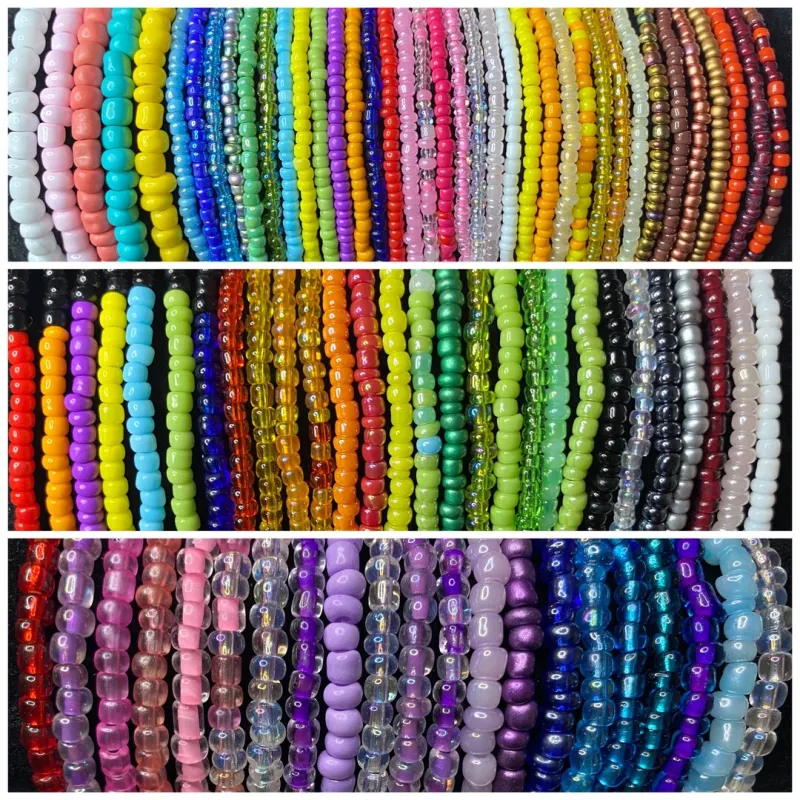
Freeing myself from imaginary invoices changed what comes off my bead mat. I make ridiculous, joyful things: a necklace in colors that only make sense to me, earrings for a windowsill display that will never touch an earlobe, bracelets I string just because the beads sounded good rattling around in the dish.
I give away more than I ever did, too — and without the mental invoice attached, giving actually feels good again. My niece's teachers, my book club, the neighbor who waters my plants. Handmade jewelry is one of the cheapest, most personal gifts in America, and I'd forgotten that while busy pretending to be a retailer.
Some pieces line my windowsill catching the afternoon sun. That's it. That's their whole job.
Protect the Joy Like It's Inventory
Here's my final thought, from one maker to another: your joy is the rarest supply in your stash. Beads you can reorder. Wire you can restock. But the little spark you felt the first time a crimp bead actually held? That's finite if you spend it carelessly.
So make the $12 date night earrings. Wear them once. Give them to someone who'll gasp. Let the side hustle gurus hustle — you've got a hobby to protect.
And if you ever catch yourself opening a spreadsheet over a birthday gift? Close the laptop. Wrap the earrings. Go be someone's favorite relative.